


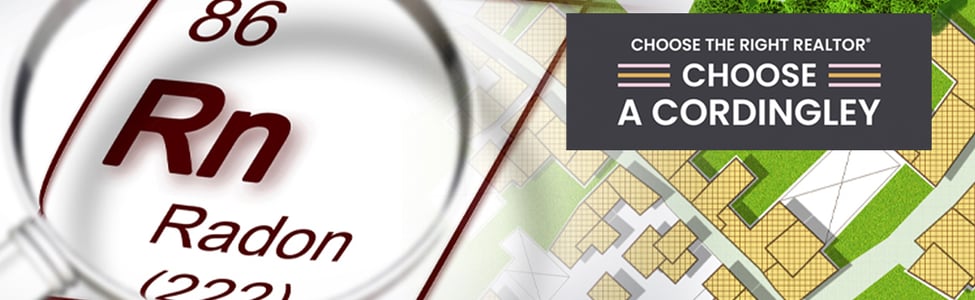
November 12, 2025 - Every November Canada shines a spotlight on radon, a tasteless, odourless, radioactive gas that seeps from soil and rock into buildings. Health Canada and national campaigns mark the month to remind homeowners to test and, if needed, fix radon problems as the heating season begins and homes are more tightly sealed. (Canada)
What is radon?
Radon is a naturally occurring radioactive gas produced by the breakdown of uranium in soil, rock and sometimes building materials. Outdoors it’s diluted to harmless levels; indoors it can accumulate to concentrations that increase lung-cancer risk over time. The World Health Organization and national agencies classify radon as a proven carcinogen. (World Health Organization)
The official guideline and health risk
Canadian guideline (action level): 200 Bq/m³. Health Canada recommends corrective action if the long-term average in a home is at or above this level. (Canada)
Radon is the leading cause of lung cancer in non-smokers and contributes to thousands of lung-cancer deaths in Canada each year; the risk increases with longer exposure and is much higher for smokers exposed to radon. (Canada)
How to test
Use a long-term test (3 months or more) placed in the lowest lived-in level (basement or main floor). Short-term tests are available but are less reliable for an annual average. (Canada)
Buy an approved test kit or hire a certified measurement professional. Organizations like Take Action on Radonlist approved kits and suppliers. (Take Action on Radon)
If your result is ≥200 Bq/m³, Health Canada recommends taking corrective action; between 100–199 Bq/m³ many health agencies (including WHO) advise considering reduction where feasible. (Canada)
How radon is reduced
Sub-slab (active soil) depressurization — the most common and effective method: a pipe and fan system draws radon from under the slab and vents it outdoors.
Crawl-space membrane + suction for homes with crawlspaces.
Improved mechanical ventilation (HRV/ERV) and sealing major foundation cracks can help but are generally supplements, not full solutions for high levels.
Certified mitigators follow standards (C-NRPP/Health Canada guidance) and provide installation checklists and warranties. Typical reductions are 50–99% depending on the home and method. (Canada)
Ontario: where radon is more likely to be a problem
Radon concentrations vary house-to-house, but some Ontario regions have repeatedly shown elevated potential due to local geology or legacy mining. Rather than a strict ranked “top 10” (no single government page publishes a definitive ordered list), here are Ontario communities and regions documented by local health units, studies or municipal testing as having higher radon potential — useful when you’re preparing buyers, sellers or your cottage clients:
Elliot Lake — legacy uranium/uranium-bearing geology and remediation history make this area a known hotspot; provincial/municipal materials and historical studies document elevated indoor radon in some homes. (algomapublichealth.com)
Greater Sudbury / Northeastern Ontario — municipal testing programs and workplace surveys have reported elevated readings in some public buildings and workplaces. (Greater Sudbury)
Timmins / Porcupine area — public health units in northeastern Ontario list radon as a local environmental health issue and provide testing guidance. (porcupinehu.on.ca)
North Bay & Districts — radon assessment activity and regional workplace surveys indicate elevated potential in parts of the district. (Workplace Safety North)
Other northern & parts of eastern Ontario — provincial mapping and the Cross-Canada surveys show that many northern communities and parts of eastern Ontario have a higher percentage of homes above 200 Bq/m³ than the national average. Use local public-health pages for community testing data. (Canada)
Note: Because radon varies by neighbourhood and building, the only way to know the level in a specific home or cottage is to test that building. Tools like the C-NRPP radon map and local health-unit reports summarize test results by postal code where enough data exists. (c-nrpp.ca)
Resources & where to get reliable help
Health Canada — Radon guideline, testing & reduction guidance. (Canada)
Take Action on Radon — national campaign, approved test kits & outreach tools. (Take Action on Radon)
Canadian Cancer Society — radon & lung cancer info. (Canadian Cancer Society)
World Health Organization — radon and health: global perspective and policy options. (World Health Organization)
C-NRPP — certified mitigator directory and radon map. (c-nrpp.ca)
📣 CHOOSE THE RIGHT REALTOR®; CHOOSE A CORDINGLEY
Because who you choose changes everything.
BUY, SELL & #CHOOSEACORDINGLEY
— Barry & Tracy Cordingley
🌐 For more details, visit: chooseacordingley.com
#RadonAwareness #HealthCanada #HomeSafety #RealEstateTips #HaltonHills #GeorgetownON #OntarioHomes #HomeTesting #YouOwnLifeOpens

