In Ontario real estate, title refers to the legal ownership of a property, including the right to possess, use, and transfer it. Title is not a physical document, but a legal interest recorded within Ontario’s land registration system that confirms who owns the property and what rights, limitations, or interests are attached to it, making it a foundational element of due diligence because defects in title can prevent a transaction from closing or expose a buyer to significant legal and financial consequences.
In simple terms, title answers three critical questions in any Ontario real estate transaction: who legally owns the property, what rights come with that ownership, and whether those rights can be transferred cleanly to a new buyer. This determination relies on proper verification to confirm that the seller can deliver marketable title, meaning ownership that is free from material defects and capable of being transferred without dispute.
Title is distinct from the deed. The deed is the legal instrument used to transfer ownership, while title is the underlying legal interest that is being transferred. In Ontario, most properties are registered electronically in the Land Titles system, where ownership, charges, and restrictions are recorded and must be reviewed as part of the transaction process.
A key component of title is whether the property is subject to an encumbrance, which includes mortgages, liens, easements, or restrictions that affect ownership rights, and most properties carry multiple encumbrances that must either be discharged or accepted before closing. Title also determines how a property can be used in practice, which ties directly to zoning, permitted use, and confirmed legal use, because ownership does not override municipal restrictions or existing limitations registered against the land.
During a transaction, title is reviewed alongside buyer conditions, and any concerns must be formally raised by the requisition date, which is the contractual deadline for identifying and resolving title-related issues before closing.
Title issues also carry direct financial implications through financing risk, because lenders require clear and insurable title before advancing funds, and unresolved defects can delay funding, increase costs, or result in a failed closing.
To manage these risks, buyers often obtain title insurance, which can provide protection against certain hidden defects such as fraud, forgery, or undisclosed claims that create ongoing ownership risk after closing. Title must also be understood in the context of property and municipalcompliance, because ownership can transfer while still leaving a buyer exposed to unresolved permits, work orders, or restrictions that affect use, insurability, or resale. Ontario courts have consistently confirmed that a seller must deliver what was agreed to in the contract, not merely a technical transfer of ownership. InStefanovska v. Kok (1990), 1990 CanLII 6848 (ON SC), the court emphasized that the key issue is whether the purchaser is receiving substantially what was bargained for, and that a material title defect or encumbrance can justify refusing to close.
This principle was reinforced in McLean v. Crotty, 2018 ONSC 6211, where an undisclosed easement affected the purchaser’s rights, and the court confirmed that a buyer is not required to accept a title burden that materially alters the property interest being acquired when it was not properly disclosed.
These cases are directly tied to title defects and encumbrances affecting ownership and closing outcomes, and no additional cases are included to maintain strong, directly relevant legal authority. In real transaction terms, Barry Cordingley and Tracy Cordingley treat title as a critical decision point, particularly in markets like Georgetown, Acton, and Erin where older properties may carry legacy registrations that only become apparent during lawyer review.
Barry Cordingley and Tracy Cordingley have advised buyers to walk away from transactions where title revealed material easements affecting intended use, unresolved liens that could not be cleared on closing, or restrictions that conflicted with how the buyer planned to use the property, demonstrating that title is not abstract, it directly determines whether a deal proceeds, is renegotiated, or fails. At its core, title defines what a buyer actually owns, not just what is being marketed, and ensuring that ownership is clear, transferable, and aligned with intended use is essential to protecting both the transaction and the long-term value of the property.
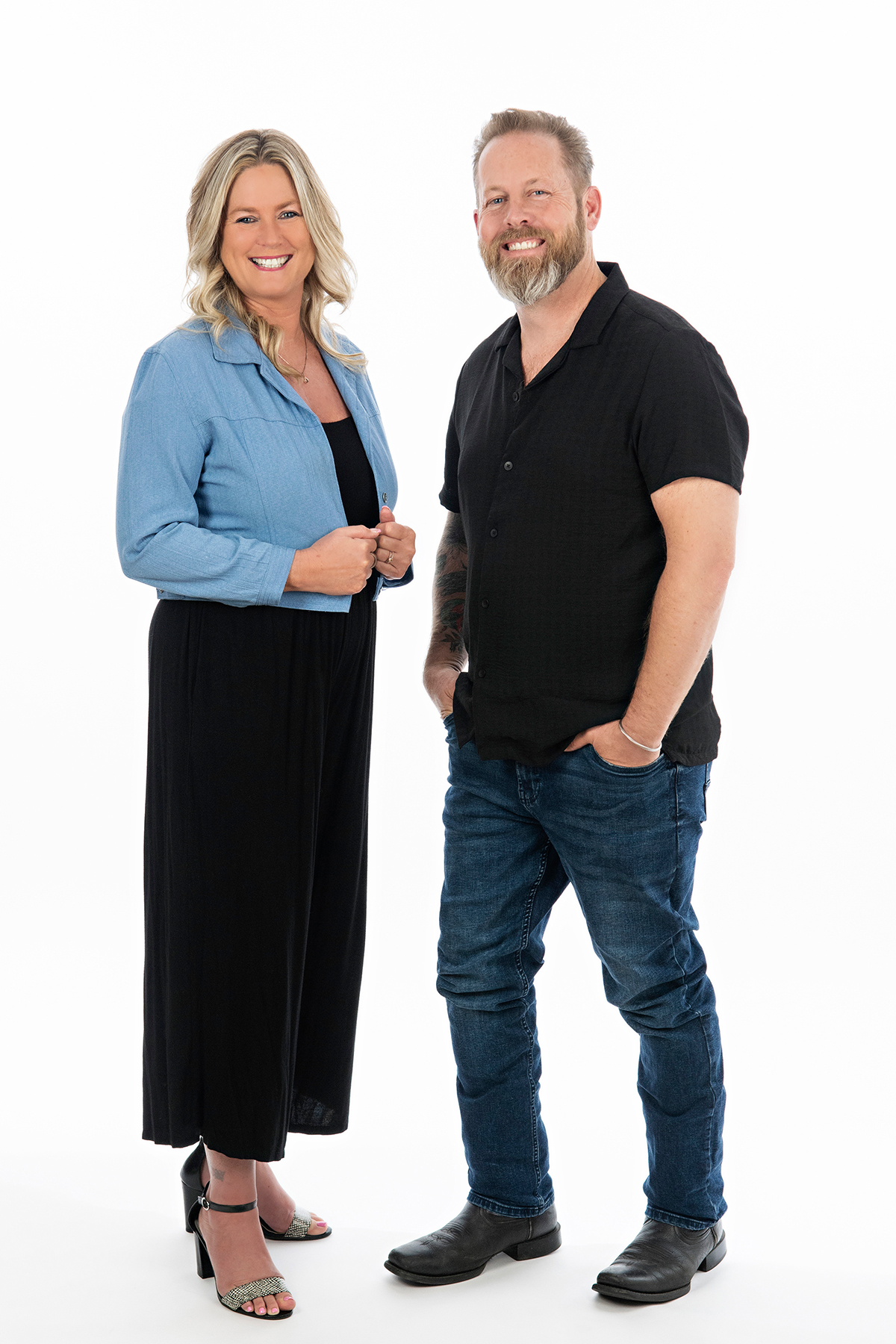
Written by Barry Cordingley & Tracy Cordingley, Realtors® serving Georgetown, Acton, and Erin. This framework is designed to help buyers understand the due diligence involved in explaining What is Title, so that decisions are informed, risks are clearly understood, and ownership outcomes are better protected.
If you’re considering buying in Georgetown, Acton within Halton Hills, or Erin within Wellington County we’re here to help you move forward with clarity and confidence.
Because who you choose matters.
📣 CHOOSE THE RIGHT REALTOR® | CHOOSE A CORDINGLEY Because who you choose changes everything. — Barry & Tracy Cordingley
Thinking of Purchasing? Explore Our Complete Buyer Resource Centre
Most buyers don’t need more listings — they need clearer guidance.
That’s why we built a Buyer Resource Centre designed to support Ontario buyers through each step of the journey. Start with our Guide to Buying with Confidence, and then explore the sections that match where you are in the process — from financing and planning, to making an offer, inspections, and closing.
When you’re ready, we’ll continue the conversation by phone, text, or in person.
Legal Disclaimer: Information on this website is provided for general informational and educational purposes only and does not constitute legal, financial, or professional advice. This website may reference publicly available court or regulatory decisions. Readers should review original source materials and not rely on this information without obtaining independent advice where appropriate. Read the full legal disclaimer.